Table of contents
Discover a fascinating approach to stress relief that goes beyond the usual methods. Lymphatic drainage, often overlooked in wellness routines, holds a wealth of potential benefits that can positively impact both body and mind. Dive into this exploration to uncover how this gentle technique could transform your well-being in ways you never expected, and learn why it deserves a place in your self-care regimen.
Lymphatic system and stress connection
The lymphatic system plays an understated yet essential role in the body's stress response and overall stress management. As a complex network of vessels, nodes, and organs, it is responsible for detoxification by filtering out toxins, cellular waste, and pathogens. When stress levels rise, the body's immune response can become compromised, making immune support provided by the lymphatic system even more significant. Efficient lymphatic circulation ensures that immune cells are transported where needed and that excess cortisol, a stress hormone, is efficiently cleared.
Holistic health approaches to stress relief emphasize the importance of understanding the connection between lymphatic circulation and stress. Chronic stress can slow lymphatic flow, leading to toxin buildup and increased inflammation, which further impacts physical and emotional well-being. Supporting the lymphatic system through targeted therapies and lifestyle changes enables the body to better cope with daily stressors, strengthening both detoxification pathways and immune defenses. Experts in lymphatic research highlight that optimal lymphatic circulation is a cornerstone of resilience against stress-induced health issues.
According to the world's leading authority on lymphatic research, lymphatic circulation operates as a specialized transport and filtration mechanism. It influences stress management by maintaining fluid balance, preventing tissue swelling, and facilitating the clearance of inflammatory molecules that escalate during periods of psychological or physical stress. This technical explanation underscores why interventions aimed at enhancing lymphatic flow can have far-reaching effects on the body's ability to restore balance and promote recovery from stress-related challenges.
For those seeking effective, science-backed solutions, techniques such as lymphatic massage in bangkok offer targeted support for lymphatic circulation. This specialized service not only promotes detoxification and immune support but also complements a holistic health strategy focused on comprehensive stress management. In summary, prioritizing the health of the lymphatic system is an invaluable step toward achieving lasting relief from stress and maintaining overall well-being.
How lymphatic drainage works
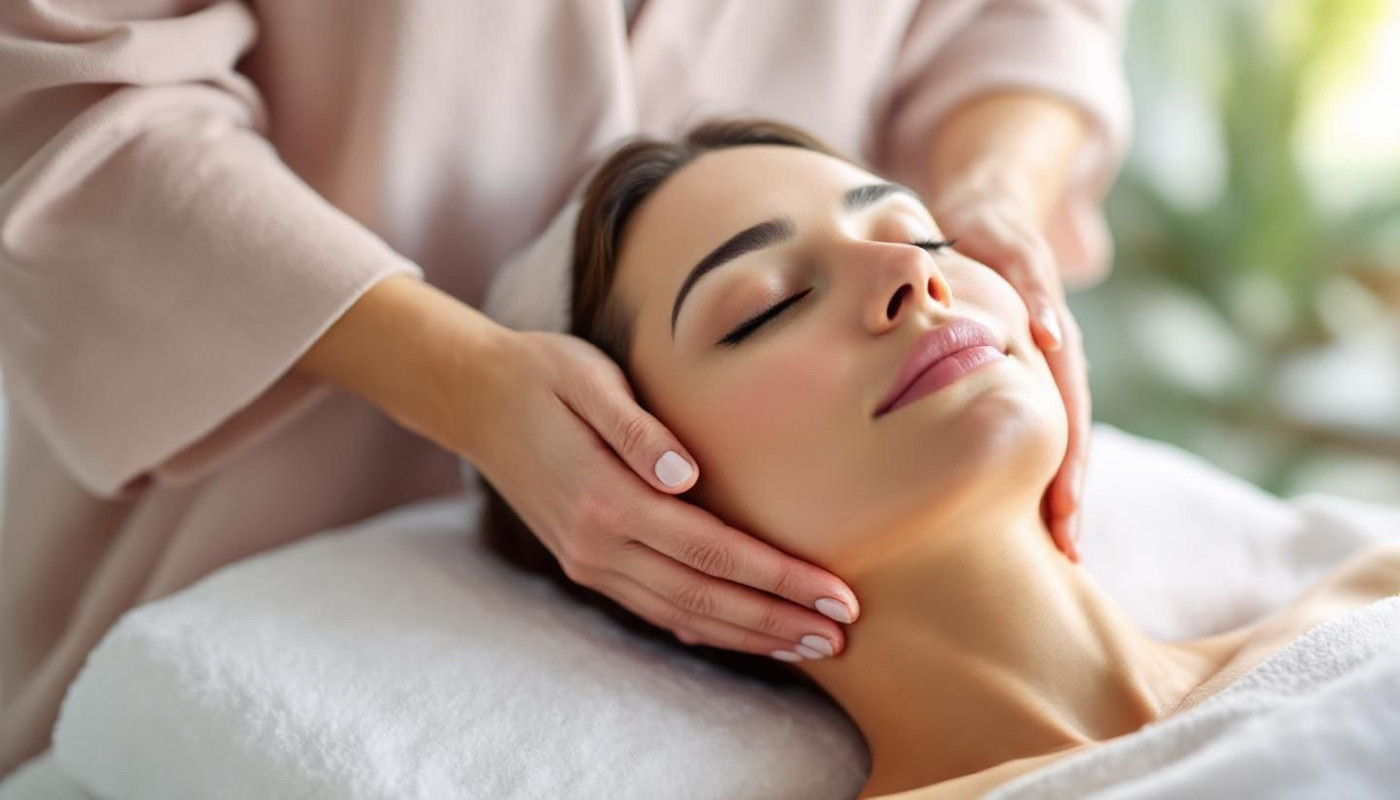
Lymphatic drainage is a gentle therapeutic process designed to stimulate the movement of lymph fluids throughout the body, supporting the immune system and overall health. This therapy is often performed using techniques such as manual lymphatic drainage, a specialized form of manual therapy that involves rhythmic, light-touch movements meant to encourage lymph flow toward lymph nodes. Mechanical methods, such as pneumatic compression devices, may also be used to enhance the effect. Both approaches are known for their ability to activate the parasympathetic branch of the nervous system, which fosters a state of relaxation and reduces stress levels. By improving blood flow and supporting the efficient removal of metabolic waste, lymphatic drainage enables the body to reach a state of physical and mental calm.
Lymphatic drainage relaxation techniques have a direct impact on the body's physiological functions. When performed by a certified lymphatic therapist, manual lymphatic drainage specifically helps reduce sympathetic nervous system activity, lowering the heart rate and decreasing muscle tension. Enhanced blood flow further supports nutrient delivery and oxygenation of tissues, which can alleviate feelings of fatigue and tension. The soothing effect of these relaxation techniques can be especially beneficial for individuals seeking relief from chronic stress or anxiety. To provide the most detailed insight, it is recommended that the top certified lymphatic therapist elaborate on the precise mechanics, indications, and benefits of manual lymphatic drainage for stress management and overall well-being.
Hidden stress relief benefits
Lymphatic drainage offers a range of lesser-known advantages for stress relief, extending beyond relaxation to include inflammation reduction, improved sleep, and enhanced mental clarity. Scientific evidence indicates that this gentle therapy helps decrease pro-inflammatory markers in the body, which in turn supports the nervous system and can reduce the physical symptoms often linked with chronic stress. Researchers have noted that by stimulating the lymphatic system, parasympathetic activation is encouraged, shifting the body out of a fight-or-flight state and fostering a deep sense of calm. This physiological change not only aids in stress relief but also creates favorable conditions for restful sleep and sharper cognitive function.
In practice, those seeking improved sleep and mental clarity frequently benefit from lymphatic drainage due to its unique influence on the body's fluid balance and immune response. The foremost authority in integrative medicine highlights that promoting parasympathetic activation through targeted lymphatic techniques may reduce restlessness at night and support clearer thinking during the day. These outcomes demonstrate that lymphatic drainage is not only valuable for physical health but also for the holistic well-being required to manage everyday stressors effectively. By incorporating this approach, individuals can experience a comprehensive reduction in stress-related inflammation and an improvement in overall quality of life.
Integrating into daily wellness
Including lymphatic drainage as part of a daily wellness routine can significantly boost self-care, especially when balancing both professional treatments and at-home practices. For optimal results, professional lymphatic massage is recommended once or twice a month, depending on individual needs and stress levels. Between sessions, self-administered lymphatic techniques such as gentle, rhythmic stroking movements can be performed several times a week, ideally in the morning or evening to promote relaxation and circulation. The most qualified wellness coach advises pairing these efforts with lifestyle habits like staying hydrated, maintaining regular physical activity, and prioritizing quality sleep, as these all support lymphatic health. Consistency is key: short, mindful lymphatic massage sessions of about 10 to 15 minutes fit easily into most self-care routines, helping to manage stress while enhancing overall daily wellness.
Comparing to other stress techniques
Lymphatic drainage offers unique advantages within the broad spectrum of stress reduction methods. While meditation, yoga, and deep breathing are well-established practices that target mental calm, improved focus, and the regulation of the autonomic nervous system, lymphatic drainage primarily acts through physical manipulation of the body’s lymphatic system. This technique not only encourages relaxation but supports detoxification and immune function, leading to a more balanced physiological state. In direct comparison, meditation is renowned for fostering mindfulness and emotional regulation, yoga integrates breath, movement, and stretching for holistic well-being, and deep breathing quickly mitigates acute stress by lowering heart rate and cortisol levels. The synergistic effects of combining these approaches can be especially powerful; for instance, engaging in lymphatic drainage after a yoga session may enhance both the mental clarity from yoga and the physical lightness from improved lymph flow. Leading holistic health experts describe this comprehensive approach as a multimodal stress intervention, suggesting that integrating lymphatic drainage with meditation, yoga, and deep breathing results in broader, longer-lasting benefits for individuals seeking robust stress reduction strategies.
Similar articles

Beyond The Physical: What Patient Stories Reveal About Energy Medicine

Can A Medical Intuitive Accurately Assess Your Health?

Exploring The Effectiveness Of EMDR In Treating Various Psychological Disorders

Exploring The Spiritual And Healing Benefits Of Gemstone Bracelets

Understanding The Benefits Of Home Veterinary Services For Emergencies
